

 See My Latest Article on HelloNation
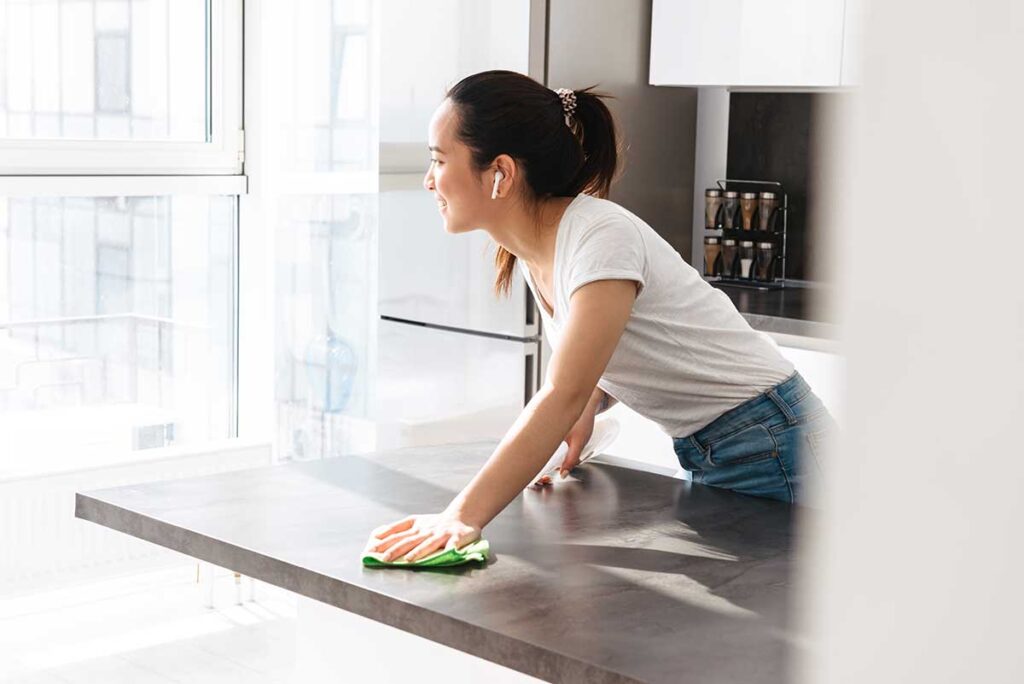
Cleaning and disinfecting are related but different tasks. Cleaning removes dirt, dust, grease, and many germs from a surface. Disinfecting uses a chemical product to kill many of the germs that remain. For most homes in Gillette, WY, routine cleaning is usually enough, while disinfection is most useful after illness, during periods of increased respiratory infections, or when a surface has been contaminated.
Which household surfaces need the most attention?
Frequently touched surfaces deserve more regular cleaning because many people handle them throughout the day. These include:
- Door handles, cabinet pulls, and drawer handles
- Light switches and lamp controls
- Faucet handles, toilet handles, and appliance buttons
- Remote controls, keyboards, phones, and tablets
- Stair railings and refrigerator handles
- Countertops, tables, and desk surfaces
- Shared pens, keys, and frequently handled tools
- Child safety gates, toy handles, and high-chair trays
Not every surface needs daily disinfection. A surface touched by one person in a private room generally presents less concern than a shared handle or control used by several household members.
Dry indoor air, tracked-in dust, and frequent heating during cold weather can make dust noticeable on high-touch areas in Gillette homes. Dust itself is not the same as contamination, but it can interfere with disinfectant contact and should be removed before disinfection.
What should be done first: cleaning or disinfecting?
Clean the surface first, then disinfect it if disinfection is needed. Dirt, food residue, grease, and dust can reduce how well a disinfectant works.
A practical sequence is:
1. Wash or wipe away visible soil with soap and water or an appropriate household cleaner.
2. Rinse or wipe away cleaner residue if the product directions call for it.
3. Apply a disinfectant labeled for the surface and intended use.
4. Keep the surface visibly wet for the contact time listed on the product label.
5. Allow the surface to air-dry unless the label gives different instructions.
A disinfectant does not work simply because it was sprayed and immediately wiped away. The surface must remain wet for the full stated contact time. If the product label is missing or unreadable, it is safer to use soap and water for routine cleaning rather than guess about proper disinfection.
How should frequently touched surfaces be disinfected safely?
Use a product according to its label, including the correct surface, dilution, ventilation, and contact time. Never mix disinfectants with other cleaners, especially bleach with ammonia, acids, or products containing vinegar. Mixing chemicals can create dangerous fumes.
Before disinfecting:
- Open a window or improve ventilation when practical.
- Wear gloves if the label recommends them or if skin irritation is likely.
- Move food, dishes, medicines, and personal-care items away from the work area.
- Test the product on an inconspicuous area if the surface may discolor or become dull.
- Keep children and pets away until the product has dried and the area is safe.
Disinfecting wipes are convenient for small surfaces, but a single wipe may not keep a large area wet long enough. Several wipes may be needed for a countertop, shared desk, or railing. Do not use disinfecting wipes on skin, food, or electronic openings unless the product and device manufacturer specifically permit it.
What is the safest way to clean electronics?
Turn off and unplug electronics before cleaning whenever possible. Use a slightly dampened cloth rather than spraying liquid directly onto a phone, keyboard, remote control, or control panel.
For electronics:
- Remove loose dust first with a dry, soft cloth.
- Apply cleaner to the cloth, not directly to the device.
- Avoid soaking buttons, ports, speakers, seams, and vents.
- Follow the manufacturer’s instructions for screens and specialized surfaces.
- Let the device dry completely before reconnecting or using it.
Remote controls and keyboards often collect skin oils and crumbs. Cleaning them gently and regularly is usually more useful than applying excess liquid or harsh chemicals.
How often should high-touch surfaces be cleaned?
The right schedule depends on use, household health, and visible soil. A reasonable routine for many homes is to clean frequently touched surfaces every few days or whenever they look dirty. Increase cleaning when:
- Someone in the household is sick.
- Several people share the same bathroom, bedroom, or workspace.
- A surface has been touched with visibly dirty hands.
- Raw food, bodily fluids, or other contamination has contacted the area.
- Children or pets frequently handle the surface.
- Guests have recently visited and shared common areas.
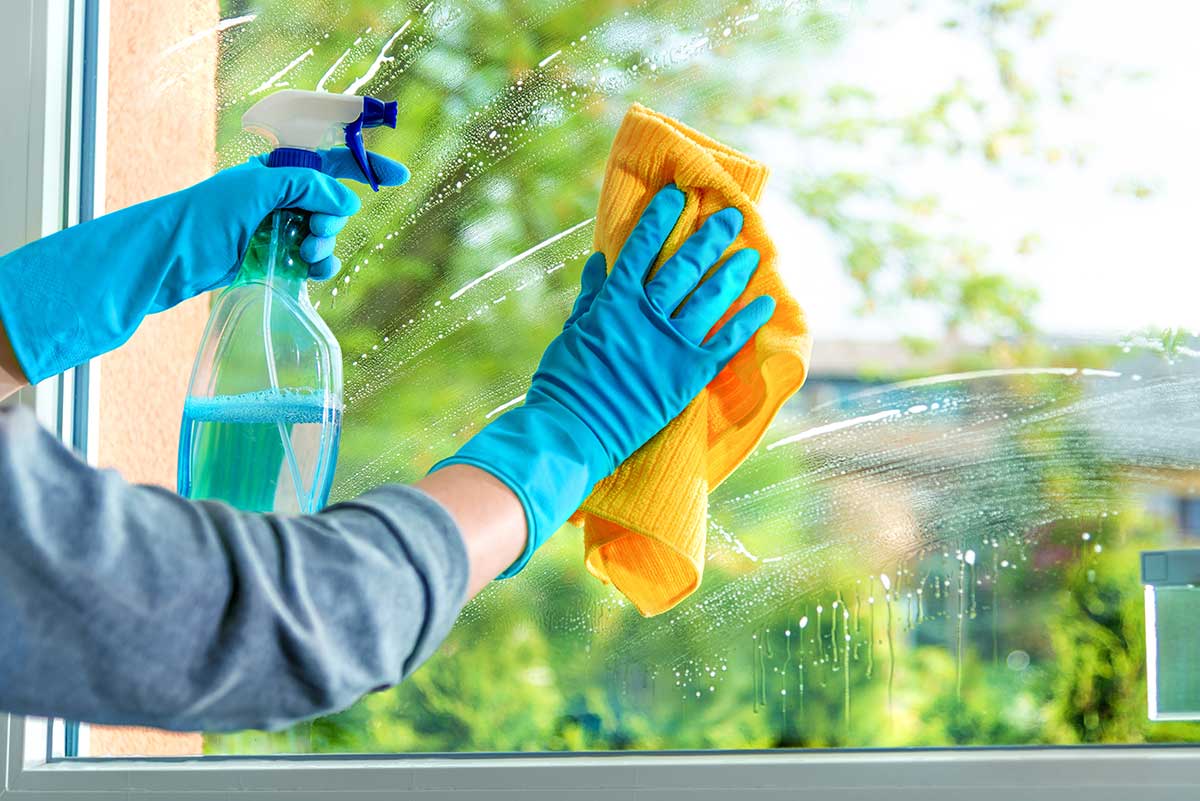
During illness, focus on surfaces used by the sick person and on shared bathroom fixtures, door handles, faucets, light switches, and remote controls. Washing hands remains essential because disinfecting surfaces does not prevent germs from being transferred directly from hands to the eyes, nose, or mouth.
Which surfaces require special care?
Some materials can be damaged by strong cleaners or prolonged moisture.
Natural stone: Acidic cleaners can etch some stone surfaces. Use a cleaner labeled as safe for the material.
Unsealed wood: Excess moisture can cause swelling, staining, or cracking. Use a lightly damp cloth and dry the surface promptly.
Painted surfaces: Aggressive scrubbing and strong chemicals can remove paint or leave shiny patches.
Fabric and upholstery: Follow the care label. Many disinfectants are not intended for porous fabrics.
Food-contact surfaces: After using a disinfectant, follow the label instructions about rinsing. Some products require a clean-water rinse before food preparation or eating.
Bathroom surfaces: Toilets, sink handles, and shower controls should be cleaned with products suited to the material. Never combine toilet cleaners with bleach or other chemicals.
What common cleaning mistakes should be avoided?
Several habits reduce cleaning effectiveness or create unnecessary hazards:
- Spraying disinfectant into the air instead of applying it to the surface
- Wiping immediately rather than observing the required contact time
- Using the same cloth throughout the home without laundering it
- Reusing a dirty bucket of water
- Cleaning from the floor upward, which can spread soil to cleaner areas
- Using outdoor or industrial chemicals indoors without checking the label
- Assuming a pleasant scent means a product has disinfected
- Disinfecting visibly dirty surfaces without cleaning them first
- Using bleach solutions that are too strong or saving diluted mixtures indefinitely
- Leaving chemicals where children or pets can reach them
Microfiber cloths can be useful for routine dust and soil removal, but they should be washed after use. Do not shake dusty cloths indoors, particularly during dry, windy conditions when particles can spread easily through a home.
When is extra caution needed?
Households should use additional care after exposure to bodily fluids, during a confirmed contagious illness, or when someone has a weakened immune system. In these situations, follow product labels closely, use disposable materials when appropriate, and wash hands after removing gloves.
If cleaning involves sewage, extensive mold growth, unknown chemical residue, or a large amount of blood or other potentially infectious material, ordinary household methods may not be adequate. The area should be isolated, and specialized safety guidance may be necessary.
For routine household care, the most effective approach is straightforward: remove visible soil, use disinfectant only when it serves a clear purpose, keep surfaces wet for the labeled contact time, and avoid mixing chemicals. This keeps commonly touched areas cleaner without exposing residents to unnecessary fumes, residue, or surface damage.