

 See My Latest Article on HelloNation

How often should a home be cleaned?
Most homes benefit from light cleaning several times a week, more focused cleaning once a week, and deeper cleaning every few months. The right schedule depends on household size, pets, allergies, outdoor conditions, and how much time people spend at home.
A useful routine separates cleaning into three levels:
- Daily or near-daily tasks: dishes, food spills, kitchen surfaces, bathroom moisture, and clutter
- Weekly tasks: floors, bathrooms, bedding, dusting, and high-use surfaces
- Seasonal or occasional tasks: windows, vents, baseboards, light fixtures, appliances, and storage areas
The goal is not to make every room spotless every day. It is to control dust, moisture, food residue, odors, and germs before they become harder to manage.
What should be cleaned every day?
Daily cleaning should focus on areas connected to food, moisture, and frequent contact. These tasks usually take only a few minutes but help prevent odors, stains, and buildup.
In a typical home, wipe kitchen counters after food preparation, wash or load dishes, and clean visible spills as soon as they occur. Food residue left on counters or floors can attract pests and become more difficult to remove later.
Bathrooms also need quick attention when moisture remains on surfaces. Drying a wet floor, wiping a sink, or hanging towels so they can fully dry can reduce lingering dampness. A toilet does not necessarily need a full scrub every day, but visible soil should be removed promptly.
Other useful daily habits include:
- Sweeping crumbs from eating areas
- Emptying small trash containers when they contain food waste
- Wiping frequently touched handles if someone in the household is sick
- Returning items to their usual places to prevent clutter from spreading
- Ventilating kitchens and bathrooms when practical
Homes with young children, pets, or multiple occupants may need these tasks more often than homes with one or two adults.
What belongs on a weekly cleaning schedule?
Weekly cleaning is appropriate for most regularly used rooms. This is frequent enough to control ordinary dust, hair, tracked-in soil, and bathroom residue without requiring constant deep cleaning.
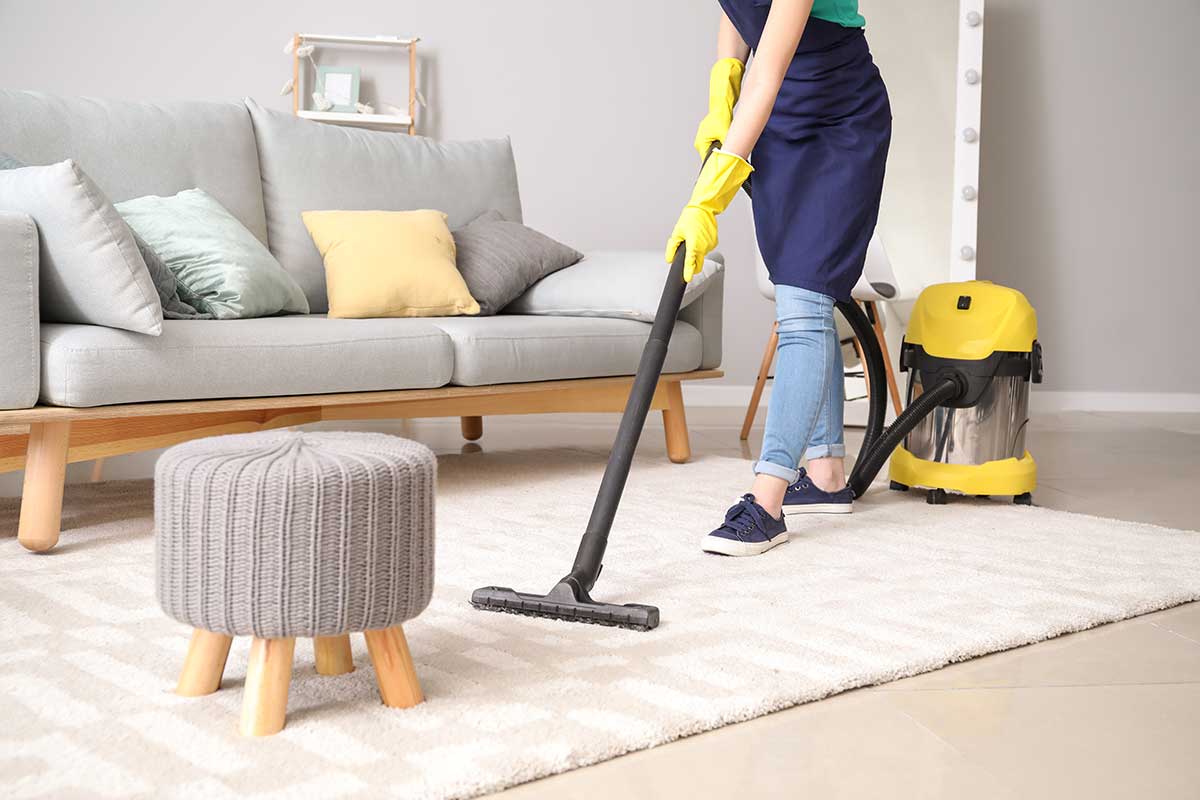
Floors should generally be vacuumed or swept at least once a week. Hard floors in entryways, kitchens, and other busy areas may need more frequent attention, particularly during windy or dry periods. In Gillette, WY, dust and outdoor soil can be carried indoors through entryways, footwear, clothing, and open windows.
Bathrooms should receive a complete cleaning each week. This includes the toilet, sink, tub or shower, mirrors, and floor. Shower walls may need more frequent wiping if soap residue or hard-water deposits build up quickly.
Common weekly tasks include:
- Dusting furniture, shelves, ledges, and electronics
- Vacuuming rugs and carpeted areas
- Mopping hard floors after removing loose dirt
- Changing bed linens
- Cleaning kitchen appliance surfaces
- Wiping cabinet handles and light switches
- Emptying household trash and cleaning the inside of containers when needed
Bedding frequency can vary. Sheets are often changed weekly, while blankets, mattress covers, and pillows may follow the care instructions on their labels. Households with pets, allergies, heavy sweating, or frequent nighttime snacking may need to wash bedding more often.
How often should high-touch surfaces be disinfected?
Routine cleaning is usually enough for ordinary household maintenance. Disinfection is more relevant when someone is ill, when surfaces have been contaminated, or when a household member is particularly vulnerable to infection.
High-touch areas may include doorknobs, faucet handles, toilet handles, cabinet pulls, remote controls, phones, and shared electronic equipment. Clean visible dirt first, then use a disinfecting product according to its label if disinfection is needed. Using more product or leaving it on a surface longer than directed does not necessarily improve results and may damage materials.
During a household illness, increase attention to shared surfaces and wash hands regularly. Avoid mixing cleaning chemicals, especially products containing bleach with ammonia or acidic cleaners, because dangerous gases can form.
Which areas need monthly or seasonal cleaning?
Some parts of a home collect dust gradually and do not need weekly attention. Monthly or seasonal cleaning is often sufficient unless a household has unusual dust, allergies, pets, or renovation activity.
Every month or two, inspect and clean areas such as:
- Ceiling fans and light fixtures
- Baseboards and door frames
- Window sills and interior glass
- Shower curtains or liners
- Under furniture that can be moved safely
- Refrigerator shelves and drawers
- Range hoods and nearby wall surfaces
- Heating and cooling vents that show visible dust
Seasonal cleaning is also useful for preparing a home for changing weather. Dry, windy conditions can increase dust indoors, while colder months may lead to more time spent inside and less natural ventilation. Before winter, check entry areas, wash heavier bedding, and remove accumulated dust from radiators or heating-related surfaces as appropriate for the home’s equipment.
After winter, inspect window tracks, entry floors, and areas near exterior doors. Spring and fall are practical times to clean storage spaces, rotate seasonal clothing, and address areas that are easy to overlook during routine maintenance.
How do pets, allergies, and household size change the schedule?
Cleaning frequency should respond to what a home is experiencing rather than follow a rigid calendar. Pet hair, dander, tracked-in soil, and litter can make some areas visibly dirty within a day or two.
Homes with pets may need more frequent vacuuming in sleeping areas, furniture zones, and entryways. Food and water bowls should be washed regularly, and accidents should be cleaned promptly to prevent odors and staining.
For people with allergies or asthma, reducing dust may be more useful than repeatedly using fragranced products. Vacuuming with suitable filtration, washing bedding regularly, controlling clutter, and cleaning damp areas can help reduce common irritants. Soft furnishings and rugs may require more attention than rooms with minimal fabric.
Larger households generally produce more dishes, laundry, bathroom use, and surface contact. A short daily reset can prevent these tasks from accumulating into a difficult weekend project.
What is a realistic cleaning routine for a busy household?
A manageable schedule assigns a few essential tasks to each day instead of reserving everything for one long cleaning session.
For example:
- Daily: dishes, kitchen surfaces, spills, and quick bathroom checks
- Two or three times a week: vacuuming busy areas and cleaning pet or child-related messes
- Weekly: full bathroom cleaning, dusting, floors, bedding, and trash containers
- Monthly: appliances, baseboards, vents, window areas, and spaces under furniture
- Seasonally: windows, storage areas, light fixtures, and household items that are not used year-round
A home does not need identical attention in every room. A rarely used guest room may need occasional dusting, while an entryway or kitchen may need attention several times a week.
When should a cleaning schedule be adjusted?
Increase cleaning when there is visible buildup, persistent odor, recurring moisture, pest activity, construction dust, or illness in the household. Reduce the frequency of tasks that are not producing a noticeable benefit, especially if the schedule has become unrealistic.
A practical standard is simple: clean food-preparation areas often, remove moisture before it lingers, control dust and tracked-in soil, and address spills or contamination promptly. This approach keeps a home healthier and more comfortable without requiring every surface to be cleaned every day.