

 See My Latest Article on HelloNation
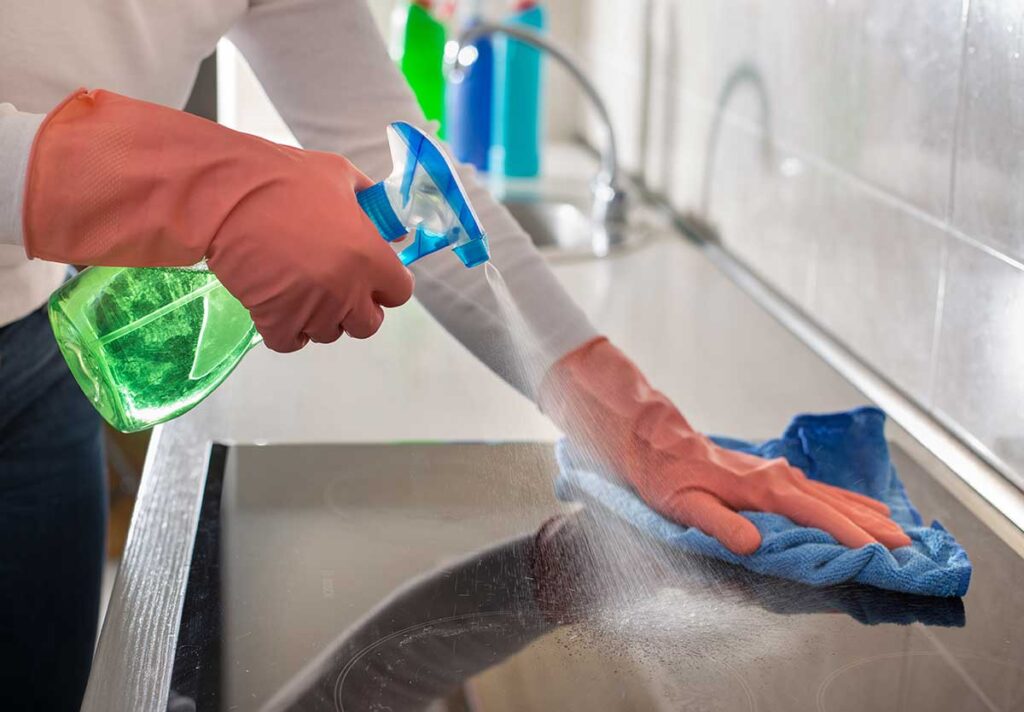
Which natural cleaners actually work?
In Gillette, WY, many household cleaning jobs can be handled effectively with a few simple ingredients: white vinegar, baking soda, unscented liquid soap, washing soda, hydrogen peroxide, and plain water. Their success depends less on using a complicated recipe and more on matching the ingredient to the type of soil being removed.
Natural cleaners are useful for dissolving mineral deposits, cutting grease, lifting odors, scrubbing residue, and removing everyday dirt. They are not interchangeable, however. Vinegar is acidic, baking soda is mildly abrasive and alkaline, and soap works by surrounding oils so they can be rinsed away.
A reliable cleaning routine usually involves four steps:
- Remove loose dust and debris first.
- Apply the appropriate cleaner.
- Allow enough contact time for the cleaner to work.
- Wipe or rinse the surface thoroughly.
How can vinegar help with hard-water buildup?
White vinegar works well on mineral deposits because its mild acidity helps dissolve calcium and other residue left behind by water. This is especially useful in Gillette, where municipal water is hard enough to leave visible spotting and scale on faucets, shower doors, sinks, and fixtures.
For light buildup, mix equal parts white vinegar and water in a spray bottle. Apply it to glass, ceramic tile, faucet bases, or a showerhead, then let it sit for several minutes before wiping. Heavier deposits may need a cloth soaked in the solution and held against the area for 15 to 30 minutes.
Use caution on surfaces that can be damaged by acids. Vinegar is not appropriate for marble, limestone, travertine, some natural stone, unsealed grout, waxed wood, or certain metals. When uncertain, test a hidden area first.
Vinegar is also useful for cleaning the inside of an empty coffee maker or humidifier reservoir when the manufacturer allows it. Rinse several times afterward so that an acidic taste or odor does not remain.
What does baking soda clean best?
Baking soda is most effective as a gentle scrub and odor absorber. It can loosen dried food, soap residue, greasy film, and grime in places where a liquid spray may run off too quickly.
Make a paste with baking soda and a small amount of water. Spread it over a stained sink, stovetop, bathtub, or oven surface. Let the paste sit for 10 to 20 minutes, then scrub with a non-scratch sponge and rinse.
For odors, place an open container of dry baking soda in a refrigerator, enclosed cabinet, or musty utility area. It will help absorb some odors, although it will not correct the underlying cause of moisture, spoiled food, mold, or poor ventilation.
Avoid using baking soda as a heavy abrasive on glossy plastic, polished stone, delicate finishes, or surfaces that scratch easily. A soft cloth is safer than a rough scouring pad.
Is dish soap a natural all-purpose cleaner?
Unscented dish soap diluted in warm water is one of the most practical everyday cleaners. It removes fingerprints, cooking grease, dust film, and ordinary dirt from washable surfaces without requiring a strong chemical mixture.
For general cleaning, add a small amount of dish soap to a bowl of warm water. Dip in a microfiber cloth, wring it nearly dry, and wipe counters, cabinet fronts, painted walls, doors, and washable furniture. Follow with a clean damp cloth if the surface feels sticky.
Avoid using too much soap. Excess residue attracts dust and can leave floors cloudy or slippery. On wood, laminate, and other moisture-sensitive materials, use a barely damp cloth and dry the surface promptly.
Dish soap can also help with greasy stovetops and range hoods. Let the solution sit briefly before wiping rather than scrubbing aggressively.
What natural solution works for glass and mirrors?
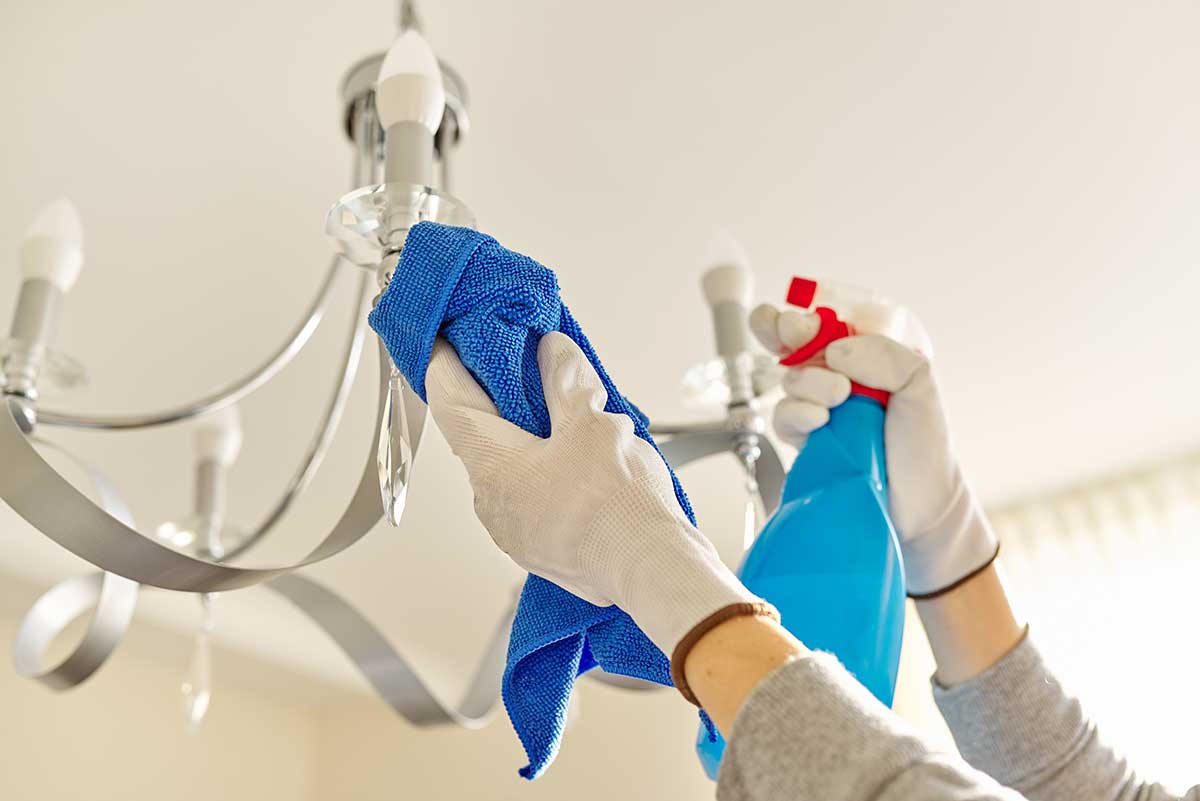
For routine glass cleaning, use a diluted vinegar solution or plain water with a small amount of dish soap. The most important factor is removing excess moisture before it dries.
A practical method is to spray the cloth rather than the glass, especially near window frames, electronics, and mirrors with unsealed edges. Wipe with one microfiber cloth, then polish with a dry lint-free cloth.
Hard-water spots may require vinegar contact time before the final wipe. If the glass has a protective coating, tinted film, or manufacturer-specific treatment, follow the care instructions instead of assuming vinegar is safe.
Dry indoor air during cold weather can increase dust and static on windowsills and nearby surfaces. Regular dry dusting before wet cleaning helps prevent muddy streaks.
Can natural cleaners disinfect a home?
Most homemade cleaners clean, but they do not reliably disinfect. Vinegar, baking soda, soap, and essential oils should not be treated as dependable substitutes for an approved disinfectant when disease-causing germs are a specific concern.
For ordinary household maintenance, soap and water remove many germs along with dirt. Disinfection may be appropriate after illness, on frequently touched surfaces, or where instructions specifically call for it. Use a properly labeled disinfectant according to its directions, including the required wet contact time.
Never assume that a pleasant smell means a surface is sanitized. Fragrance can mask odors without removing contamination.
Which cleaning ingredients should never be mixed?
The safest rule is to use one cleaning product at a time and rinse the surface before switching to another. Never mix bleach with vinegar, ammonia, acids, alcohol-based products, or other disinfectants. These combinations can produce dangerous vapors.
Also avoid mixing vinegar with hydrogen peroxide in the same container. Combining baking soda and vinegar is not dangerous in small household use, but the fizzing reaction mostly neutralizes both ingredients. It may help loosen debris briefly, yet it is usually less effective than using baking soda as a paste or vinegar separately.
Keep all mixtures in clearly labeled containers. Do not store homemade solutions in food or drink containers, and keep them away from children and pets.
How should natural cleaners be used in local homes?
Dry, windy conditions can bring fine dust indoors through doors, windows, clothing, and ventilation systems. Dry-dust high surfaces first, then clean from top to bottom so loosened particles do not settle on areas already wiped.
During cold months, tightly closed homes may have less ventilation and drier indoor air. Open windows briefly when weather allows, especially while using vinegar or any product with a noticeable odor. Avoid saturating carpets, upholstery, unfinished wood, or drywall because trapped moisture can create a larger problem than the original stain.
Hard-water residue also becomes easier to manage when fixtures are dried after use. A quick pass with a squeegee or microfiber cloth prevents mineral spots from accumulating and reduces the need for stronger scrubbing later.
Natural cleaning works best as a simple system: soap for everyday soil, vinegar for mineral deposits, baking soda for gentle scrubbing and odors, and appropriate disinfectants only when disinfection is actually needed. Using less product, allowing enough time, and rinsing well usually matter more than adding extra ingredients.