

 See My Latest Article on HelloNation
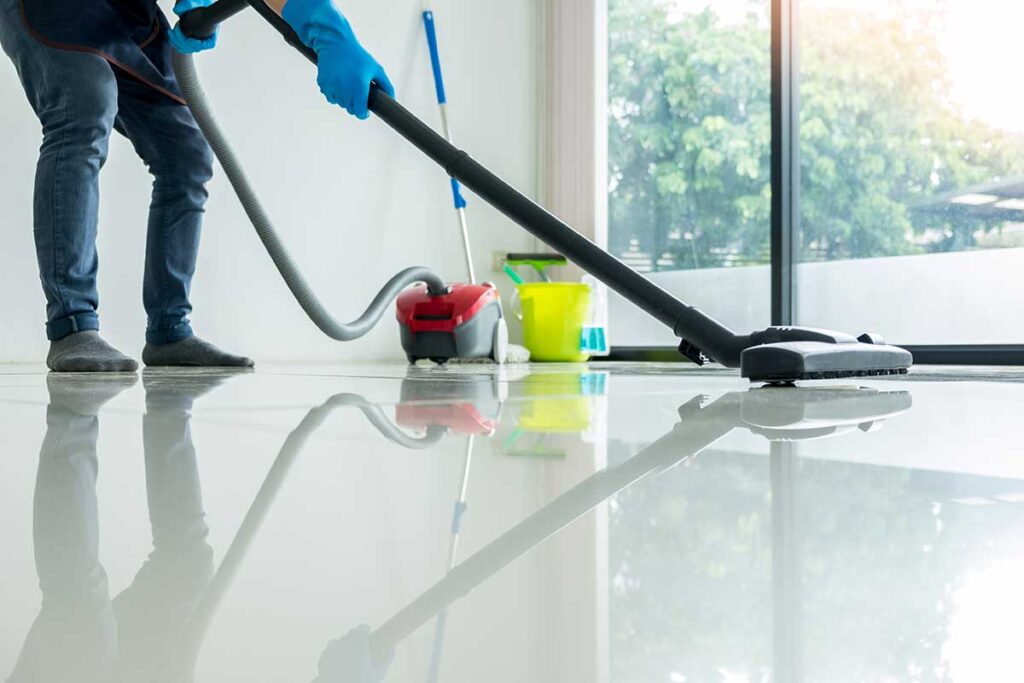
Cleaning a home like a professional is less about using many products and more about following a consistent order. The most effective approach reduces rework, controls dust, protects surfaces, and gives extra attention to the places that affect indoor air quality and daily comfort.
In Gillette, WY, dry conditions, windblown dust, winter grit, and frequent heating-season use can make floors, entryways, vents, and high-touch surfaces especially important. A reliable routine should address those conditions without making cleaning harder than necessary.
What is the professional order for cleaning a home?
Start with preparation, then work from higher surfaces to lower ones, from dry tasks to wet tasks, and from cleaner areas toward dirtier areas. This prevents dust and debris from settling on surfaces that have already been cleaned.
A practical sequence is:
- Remove clutter and return loose items to their usual places.
- Open interior doors or improve ventilation when weather and safety allow.
- Dust high surfaces, shelves, light fixtures, and furniture.
- Clean glass, mirrors, and other vertical surfaces.
- Wipe countertops, tables, cabinet fronts, and frequently touched areas.
- Clean sinks, tubs, showers, and toilets.
- Vacuum floors, edges, upholstery, and stairs.
- Mop hard flooring as the final floor step.
- Empty cleaning cloths, rinse tools, and remove collected debris.
This order is more efficient than cleaning room by room without a plan. It also helps prevent a common mistake: vacuuming first and then dropping dust onto the floor while wiping shelves or ceiling fans.
How should a room be prepared before cleaning?
Preparation usually takes only a few minutes but has a major effect on the result. Remove dishes, laundry, toys, papers, and other objects from the surfaces being cleaned. A crowded countertop or floor hides dirt and slows every task.
Use separate containers for items that belong in other rooms. Avoid carrying a large mixed pile from room to room, since that can create more work and increase the chance of losing small items.
Before using water or cleaner, identify the surface. Painted walls, natural stone, finished wood, laminate, stainless steel, and unfinished materials do not all respond well to the same product. If the material is unknown, test a small hidden area first.
Is dusting or vacuuming better for removing dust?
Both are useful, but the method matters. Dry dusting can push particles into the air or move them from one surface to another. A slightly damp microfiber cloth often captures dust more effectively on furniture, trim, and shelves.
For a professional-style routine:
- Dust ceiling fan blades, vents, door frames, and high shelves first.
- Use a vacuum attachment on fabric lampshades, upholstery seams, and baseboard edges.
- Wipe surfaces with a clean, lightly damp cloth.
- Fold the cloth so a fresh section is available as the used side collects dust.
- Avoid shaking dusty cloths indoors.
Heating systems and forced-air movement can distribute fine particles throughout a home. Vents and return-air grilles should be gently vacuumed when dust is visible. Do not remove or alter HVAC components unless the system instructions specifically allow it.
How can floors be cleaned more effectively?
Floors should be cleaned according to their material and the type of soil present. Vacuuming or sweeping removes loose grit before moisture is applied. This is particularly helpful during windy periods and after winter weather, when tracked-in sand, salt, or deicing residue can scratch flooring.
Hard floors generally benefit from:
1. Removing mats and loose objects.
2. Vacuuming edges and open areas.
3. Cleaning spills or sticky spots separately.
4. Mopping with a well-wrung mop rather than flooding the surface.
5. Allowing the floor to dry according to the material’s care instructions.
Too much water can damage wood, loosen flooring seams, or leave residue on laminate and vinyl. A cloudy appearance after mopping often means the cleaner is overused or not suited to the floor.
Entry mats should also be cleaned regularly. A mat that is full of grit cannot capture much more dirt. Shake or vacuum it according to its construction, and clean the floor beneath it rather than assuming the mat has solved the problem.
What should receive extra attention in kitchens and bathrooms?
Kitchens and bathrooms need more frequent cleaning because moisture, food residue, body oils, and microorganisms collect there. Professional results come from allowing cleaner enough contact time to loosen soil, not from immediately wiping every product away.
In the kitchen, focus on:
- Countertops and the areas around sinks.
- Cabinet and appliance handles.
- The backsplash behind food preparation areas.
- The inside and outside of the microwave.
- Refrigerator door seals and drawer edges.
- The floor near cooking and waste containers.
In bathrooms, focus on:
- Faucet handles and sink overflow openings.
- Shower walls, corners, and door tracks.
- Toilet handles, seats, hinges, and the floor around the base.
- Light switches and door hardware.
- Exhaust fan covers, when they can be safely removed for cleaning.
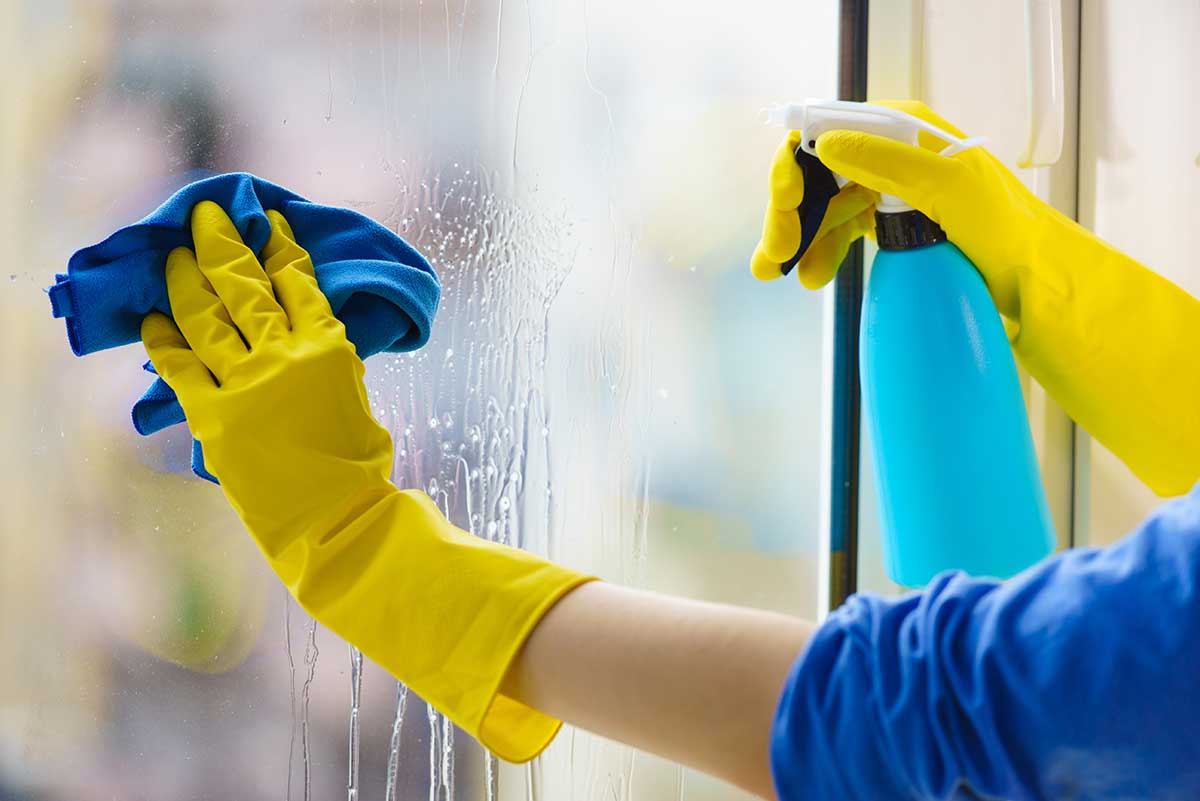
Cleaning and disinfecting are not the same task. Cleaning removes soil; disinfecting reduces microorganisms on an already-clean surface. Disinfection is most useful for high-touch areas or during illness, and the product label should be followed for surface compatibility and required contact time.
Never mix bleach with ammonia, acids, or other household cleaners. Dangerous gases can result. Keep products in their original containers and use ventilation appropriate for the product.
How often should common household areas be cleaned?
The right frequency depends on the number of occupants, pets, allergies, cooking habits, and how quickly dust accumulates. A practical schedule can be adjusted rather than followed rigidly.
Several times a week:
- Kitchen counters and sink areas.
- Bathroom sinks and frequently used fixtures.
- High-traffic floors and entryways.
- Visible spills and tracked-in debris.
Weekly:
- Full-floor vacuuming and mopping.
- Toilets, showers, tubs, and bathroom floors.
- Dusting furniture, trim, and accessible vents.
- Changing or laundering commonly used kitchen and bathroom textiles.
Monthly or as needed:
- Baseboards and door frames.
- Under movable furniture.
- Ceiling fan blades and light fixtures.
- Cabinet fronts and appliance exteriors.
- Window tracks and less frequently used rooms.
Homes with pets, young children, respiratory sensitivities, or ongoing construction dust may need a more frequent schedule. A visible buildup is a useful signal, but odors, sticky surfaces, and recurring dust near vents can also indicate that a task needs attention.
What cleaning mistakes make a home look clean but leave it dirty?
Several habits create a temporary appearance of cleanliness without removing the underlying soil.
Using too much product can leave a sticky film that attracts dust. Reusing one cloth across the entire home can spread bathroom residue to other surfaces. Spraying cleaner directly onto electronics, finished wood, or delicate materials can cause damage. Cleaning around objects instead of moving them leaves dust lines and hidden buildup.
Another common mistake is using the same tool for the toilet and nearby surfaces. Bathroom tools should be clearly separated, washed after use, and allowed to dry completely. Sponges that stay damp can develop odors and should be replaced or sanitized according to their material and intended use.
For residents managing winter grime, allowing wet salt or grit to dry on flooring can make removal more difficult and increase scratching. Prompt spot cleaning is usually easier than waiting for a full buildup.
How can cleaning be made safer?
Wear gloves when using irritating cleaners or handling heavily soiled materials. Keep children and pets away from wet floors and open cleaning containers. Use a stable step stool rather than a chair, and do not stretch from an unsafe position.
Avoid combining cleaning chemicals, and read labels before applying a product to a new surface. If a strong odor, breathing difficulty, dizziness, or skin reaction develops, leave the area and seek appropriate medical guidance.
A professional-quality home routine is built on sequence, suitable tools, measured product use, and regular attention to high-soil areas. The result is not simply a home that looks tidy; it is a home where dust, grit, residue, and frequently touched surfaces are managed deliberately.