

 See My Latest Article on HelloNation
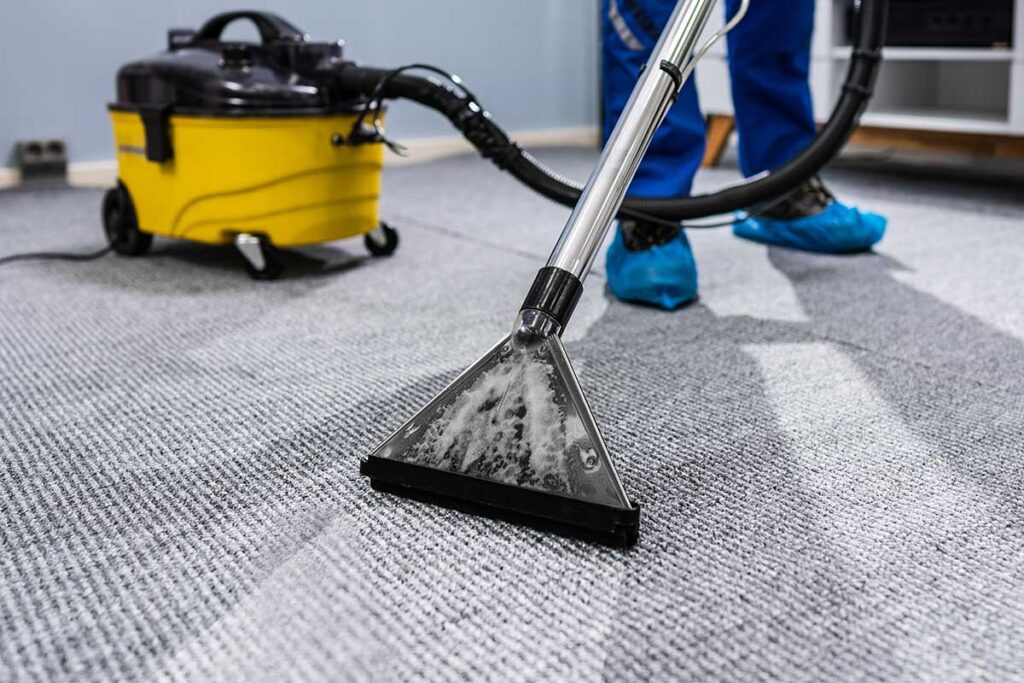
Regular cleaning and deep cleaning serve different purposes. Regular cleaning maintains a home’s day-to-day condition, while deep cleaning addresses buildup in areas that are often skipped or reached less frequently. Most households benefit from both, but the timing and level of effort depend on the home, season, occupants, and recent activity.
What does regular cleaning include?
Regular cleaning is the recurring work that keeps living spaces sanitary, functional, and comfortable. It focuses on visible surfaces, commonly used rooms, and tasks that need attention weekly or even daily.
Typical regular-cleaning tasks include:
- Vacuuming or sweeping floors
- Mopping hard flooring
- Dusting reachable surfaces
- Cleaning kitchen counters and appliance fronts
- Wiping bathroom sinks, mirrors, and toilets
- Taking out household trash
- Changing bed linens
- Cleaning frequently touched surfaces
- Removing crumbs, spills, and light debris
The exact schedule varies. A home with pets, children, allergies, or frequent cooking may need more frequent floor and surface cleaning than a quiet household with fewer occupants.
Regular cleaning is mainly preventive. By removing dust, food residue, hair, and moisture before they accumulate, it reduces the amount of scrubbing needed later.
What makes deep cleaning different?
Deep cleaning is more detailed and reaches areas that routine cleaning does not cover every week. It is designed to remove accumulated soil, grease, dust, soap residue, and hidden debris.
Deep-cleaning work may include:
- Cleaning baseboards, doors, trim, and wall edges
- Washing cabinet fronts and wiping cabinet interiors
- Scrubbing grout and detailed bathroom surfaces
- Cleaning behind or beneath movable appliances
- Dusting vents, ceiling fans, light fixtures, and high ledges
- Removing buildup around faucets and shower fixtures
- Cleaning window tracks and sliding-door tracks
- Vacuuming upholstery, stairs, and difficult floor edges
- Wiping switch plates, door handles, and other overlooked touchpoints
Deep cleaning usually takes longer because it involves more detail, more preparation, and more physical effort. It may also require moving light furniture or allowing extra time for residue to loosen before it can be removed.
How often should a home in Gillette, WY receive a deep cleaning?
Many households schedule a detailed cleaning once or twice a year, with additional attention after major events or noticeable buildup. There is no universal timetable because household conditions differ.
A deep cleaning may be useful:
- Before or after moving
- After remodeling or significant repairs
- Following a prolonged illness
- After hosting visitors or a large gathering
- At the beginning or end of a seasonal transition
- When dust, grease, or soap residue has become difficult to remove
- Before placing a home on the market or preparing it for new occupants
Gillette’s dry, windy conditions can contribute to tracked-in grit and fine dust, especially around entrances and high-traffic areas. Winter heating can also circulate settled dust, while mud and moisture during transitional seasons may increase floor residue. These conditions do not automatically require frequent deep cleaning, but they can affect which tasks deserve priority.
Is deep cleaning just regular cleaning done more thoroughly?
Not exactly. Deep cleaning includes some of the same basic tasks, but the scope is broader and the attention is more detailed.
For example, regular bathroom cleaning may involve wiping the sink, mirror, toilet, and shower surfaces. A deep bathroom cleaning may additionally address grout lines, fixture bases, exhaust-fan covers, cabinet edges, buildup behind the toilet, and areas around plumbing connections.
The difference is not simply how hard someone scrubs. It is also about what gets cleaned, how much of the room is addressed, and whether overlooked areas are included.
Which type of cleaning is needed before moving?
Move-in and move-out cleaning generally require a deep-cleaning approach because rooms are easier to access when they are empty. Floors, baseboards, cabinets, closets, appliances, and corners can be cleaned without working around furniture and personal belongings.
A practical move-related checklist may include:
- Emptying and wiping cabinets and drawers
- Cleaning inside refrigerators, ovens, and other appliances when applicable
- Removing dust from closets, shelves, and storage areas
- Washing floors and cleaning edges near walls
- Wiping doors, handles, trim, and switch plates
- Cleaning bathrooms from ceiling-height fixtures down to floors
- Removing visible debris left from packing, repairs, or previous occupancy

Routine cleaning can maintain the home afterward, but it usually does not provide the same level of access as an empty-room cleaning.
Does deep cleaning improve indoor air quality?
It can reduce common sources of indoor dust, but it is not a substitute for ventilation, filter changes, moisture control, or professional remediation of hazardous contaminants.
Detailed dust removal from vents, ceiling fans, baseboards, upholstery, and hard-to-reach surfaces may reduce the amount of settled dust that can be disturbed later. Vacuuming with suitable equipment and cleaning floors can also help limit tracked-in particles.
However, visible mold, sewage contamination, heavy pest waste, lead-based paint dust, asbestos-containing materials, or extensive water damage require specialized safety procedures. These conditions should not be handled as ordinary household cleaning.
What should renters and homeowners prioritize?
The highest-priority tasks are usually the ones connected to hygiene, moisture, food residue, and heavy traffic. Kitchens and bathrooms often deserve more frequent attention than guest rooms or low-use storage areas.
A sensible order is:
1. Remove clutter and loose debris.
2. Address food spills, grease, and bathroom residue.
3. Clean high-touch surfaces.
4. Work from higher surfaces down to floors.
5. Finish with vacuuming and mopping.
6. Inspect corners, edges, and areas behind doors.
This order prevents dust and debris from falling onto surfaces that have already been cleaned. It also helps identify maintenance issues, such as leaking fixtures, damaged caulking, loose flooring, or excess condensation.
Can a household maintain deep-cleaning results?
Yes. Regular maintenance prevents detailed cleaning from becoming an overwhelming project. Small habits are especially useful in high-traffic homes.
Helpful practices include:
- Removing shoes near entrances when practical
- Wiping kitchen spills soon after they occur
- Drying wet bathroom surfaces
- Cleaning pet hair before it becomes embedded
- Replacing or cleaning heating and ventilation filters according to manufacturer guidance
- Vacuuming entry areas more often during windy or muddy weather
- Keeping clutter off floors and countertops
- Cleaning one overlooked area during routine household chores
Regular cleaning does not eliminate the need for periodic deep cleaning, but it can reduce buildup and shorten the time needed for each detailed session.
How should the two types of cleaning be combined?
A useful approach is to treat regular cleaning as maintenance and deep cleaning as periodic restoration. Routine work handles the surfaces and rooms that receive daily use, while deep cleaning addresses neglected edges, buildup, and less accessible areas.
For many households, a rotating plan works well. Regular tasks can be completed weekly, while one or two deep-cleaning areas are addressed each month. For example, baseboards may be handled one month, cabinet interiors the next, and vents or window tracks after that.
The right balance depends on the home’s flooring, ventilation, occupants, pets, activity level, and seasonal conditions. A clean home is not defined by performing every task every day; it is maintained by matching the cleaning method to the type of soil, the area being cleaned, and how often that space is used.