

 See My Latest Article on HelloNation
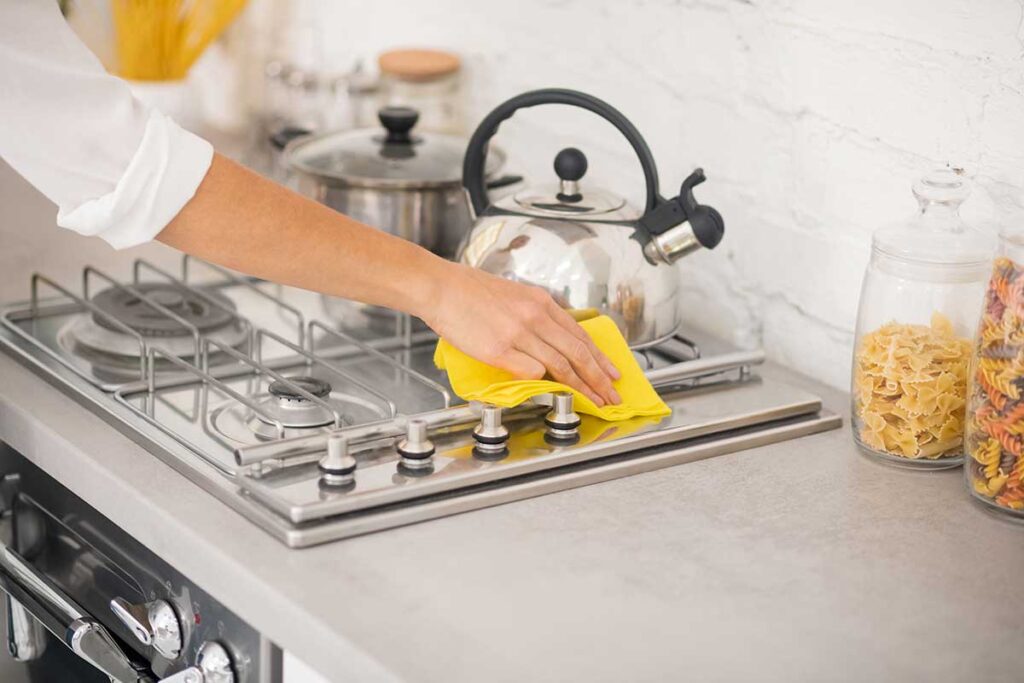
Cleaning a house in a random order often creates extra work. Dust falls onto surfaces that were already wiped, dirty tools move from room to room, and floors collect debris more than once.
A more efficient routine follows three principles: clean from high to low, work from cleaner areas toward dirtier ones, and finish with floors. This approach works for quick weekly upkeep as well as deeper seasonal cleaning.
Why does the order of cleaning matter?
The order matters because cleaning disturbs dust, crumbs, hair, and other debris. If floors are vacuumed before shelves are dusted, falling particles may make the floors dirty again. If a bathroom is cleaned and then used to rinse dirty cloths from another room, some of that work may be undone.
An efficient sequence usually looks like this:
- Declutter first.
- Gather supplies before starting.
- Clean dry surfaces before wet surfaces.
- Work from upper surfaces downward.
- Move through the house in a consistent direction.
- Clean floors last.
- Empty cleaning tools after finishing.
This reduces repeated effort and makes it easier to see what has already been completed.
What should be done before cleaning each room?
Begin with a short decluttering pass rather than immediately wiping surfaces. Put away items that belong in the room, collect dishes and laundry, and remove obvious trash. A crowded surface cannot be cleaned thoroughly, and moving objects repeatedly slows the process.
Before starting, gather:
- Microfiber cloths or washable rags
- A vacuum with suitable attachments
- A broom or dustpan if needed
- A mop and bucket or floor-cleaning system
- Appropriate bathroom and kitchen cleaners
- A small container for items that belong elsewhere
- Gloves if they improve comfort or protect sensitive skin
Avoid carrying every cleaning product through the entire house. Use a small portable caddy or bring only what is needed for the current group of rooms. Never combine products unless the label specifically confirms that the combination is safe. Products containing bleach should not be mixed with ammonia, acids, or other cleaners.
Should the kitchen or bedrooms be cleaned first?
Start with the least dirty rooms, such as bedrooms and living areas, before moving to kitchens and bathrooms. This keeps dust and residue from dirtier spaces from spreading into rooms that have already been cleaned.
Bedrooms are often efficient starting points because they mainly require making beds, putting away clothing, dusting, and vacuuming. Living rooms can follow, especially if they have accumulated pet hair, crumbs, or tracked-in soil.
A practical room sequence is:
1. Bedrooms
2. Home office or low-use rooms
3. Living and family areas
4. Hallways and stairs
5. Kitchen
6. Bathrooms
7. Entryway, mudroom, or other high-traffic spaces
The exact order can change based on household habits. If the kitchen is needed during cleaning, it may be better to clean it near the end so cooking does not create new spills or crumbs.
What is the correct top-to-bottom method?
Clean high surfaces before low surfaces. Begin with ceiling fans, upper shelves, light fixtures, cabinet tops, and the tops of furniture. Then move to counters, tables, appliances, baseboards, and finally the floor.
Use a dry or slightly damp microfiber cloth for ordinary dust. A vacuum attachment may be more effective for vents, fabric lampshades, upholstered furniture, and areas where dust has collected heavily. Avoid shaking dusty cloths indoors because the particles may settle elsewhere.
Top-to-bottom cleaning is particularly useful in homes with forced-air heating or cooling, where dust can collect around vents and circulate through frequently used rooms. In a dry, windy climate such as Gillette, WY, fine dust may enter through doors, windows, and everyday foot traffic, so routine dust removal is often more effective than waiting for visible buildup.
How should bedrooms and living areas be cleaned?
After decluttering, make beds and straighten furniture so surfaces are accessible. Dust from higher areas downward, then clean mirrors, glass, and frequently touched surfaces.
Pay attention to overlooked areas:
- Bed frames and headboards
- Lamps and switch plates
- Remote controls and light switches
- Chair arms and sofa seams
- Window sills
- Baseboards near exterior doors
- Pet resting areas
- Space beneath furniture edges
Vacuum upholstery with an appropriate attachment, particularly where hair and crumbs collect. Move lightweight furniture when practical, but avoid dragging heavy pieces across flooring. In homes with carpet, make slow passes in high-traffic lanes and around entry points rather than rushing over the same area repeatedly.
What is the most efficient way to clean the kitchen?
The kitchen should be cleaned in stages: remove dishes and food, clear counters, clean upper surfaces, then finish with the sink and floor.
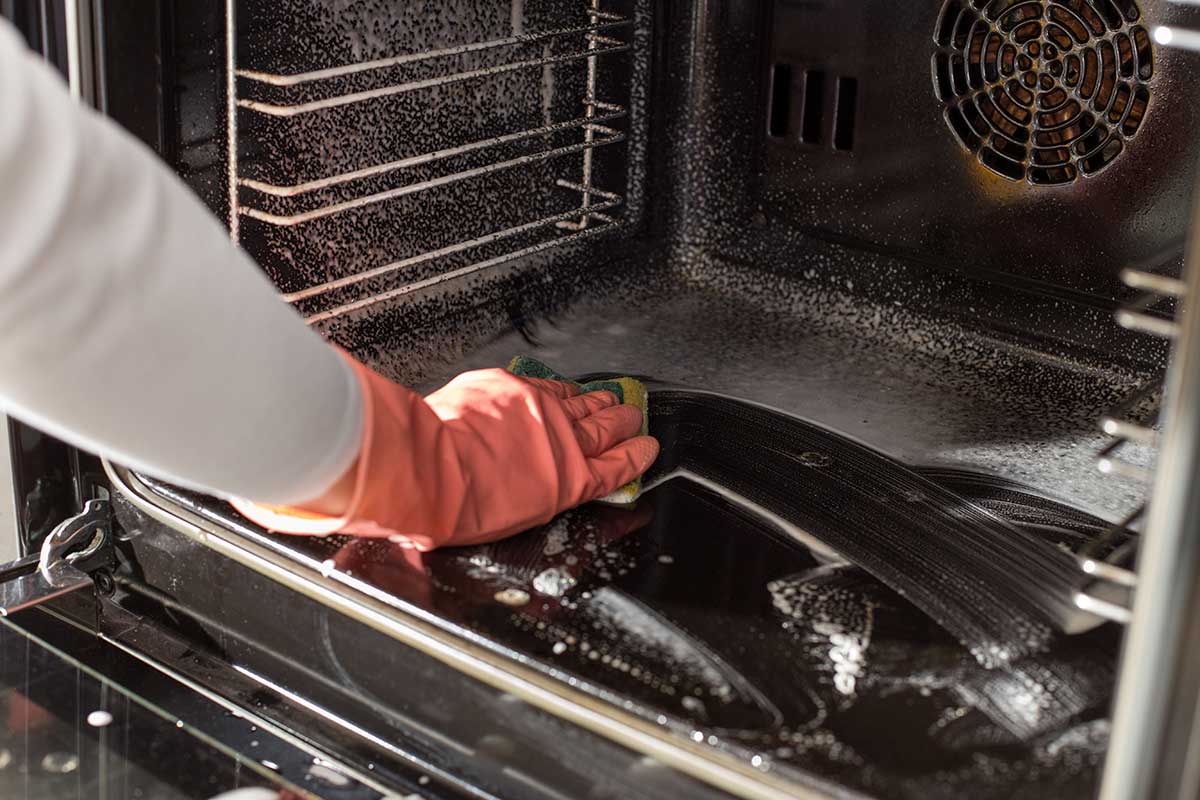
Start by placing dishes in the dishwasher or washing them by hand. Wipe crumbs into a bin or collect them with a handheld vacuum. Clean cabinet fronts, appliance exteriors, counters, and the backsplash from top to bottom. Leave the sink until near the end because it is often used during the rest of the process.
Do not overlook:
- Handles on cabinets and appliances
- The area around the faucet
- Crumbs beneath small appliances
- The refrigerator door seal
- The floor beneath the table and counters
- Trash and recycling containers
- Grease near the cooking area
Use the correct cleaner for each surface. Natural stone, finished wood, laminate, stainless steel, and painted surfaces may require different methods. Excess water can damage wood finishes and seep beneath appliances or cabinets.
How should bathrooms be cleaned?
Bathrooms are usually best cleaned after other rooms because they involve more moisture, hair, soap residue, and disinfecting work. Allowing products time to loosen buildup can make scrubbing easier, but labels should be followed for application and contact time.
A practical order is:
1. Remove towels, mats, and personal items.
2. Ventilate the room when possible.
3. Apply suitable cleaner to the tub, shower, sink, and toilet surfaces.
4. Dust or wipe vents, shelves, and light fixtures.
5. Clean mirrors and glass.
6. Scrub the shower and tub.
7. Clean the sink and counter.
8. Clean the toilet, using separate materials from the sink and other surfaces.
9. Mop the floor last.
Use separate cloths for toilets and general bathroom surfaces. Launder reusable cloths after use rather than storing them damp. Persistent mold, sewage contamination, or unsafe chemical exposure may require specialized handling instead of ordinary household cleaning.
Why should floors be cleaned last?
Floors collect whatever falls from surfaces above them, including dust, hair, crumbs, and cleaning residue. Cleaning them last prevents the need to repeat the work.
Vacuum or sweep before mopping. Start at the farthest point in the room and work toward the exit so the cleaned floor is not crossed unnecessarily. Use enough moisture to clean the surface without leaving standing water. Excess water can damage wood, seep into flooring seams, and increase drying time.
For stairs, work from the top down if the equipment and layout allow it. For hallways, clean side areas before the central walking path. Entryways and mudrooms may need a second pass during winter or windy periods because tracked-in grit can spread quickly.
What should be cleaned daily, weekly, and seasonally?
Not every task needs to be completed during every cleaning session. Dividing work by frequency helps prevent large buildup.
Daily or near-daily tasks may include:
- Washing dishes
- Wiping kitchen counters
- Managing spills promptly
- Removing visible crumbs
- Straightening high-use rooms
- Cleaning heavily used bathroom surfaces
Weekly tasks often include dusting, vacuuming, mopping, changing bedding, cleaning toilets, and wiping frequently touched surfaces.
Seasonal tasks can include washing interior windows, cleaning vents, wiping baseboards, vacuuming under furniture, washing removable mats, and checking areas affected by dry air, tracked-in dust, or winter moisture. A short checklist is useful because tasks such as vents and ceiling fans are easy to overlook.
The most efficient routine is not necessarily the fastest-looking one. It is the sequence that prevents rework: clear clutter, clean high surfaces, move from lower-soil rooms to higher-soil rooms, and finish with floors and waste removal.