

 See My Latest Article on HelloNation
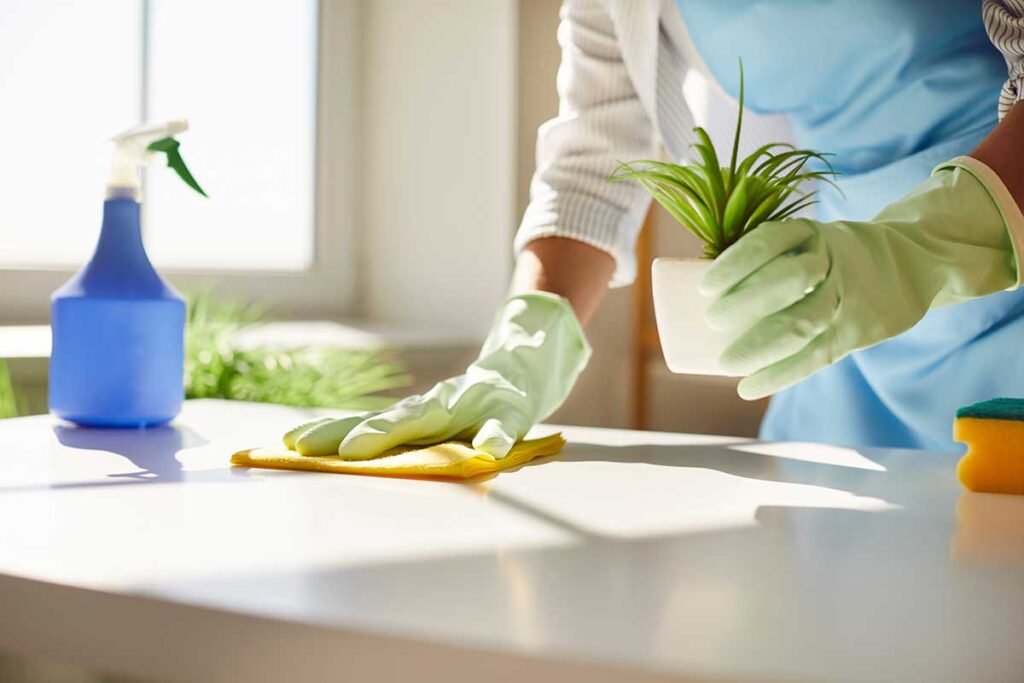
Living with pets does not require a spotless home at every moment, but it does require a cleaning routine that manages fur, odors, tracked-in dirt, allergens, and occasional messes. In Gillette, WY, dry conditions, wind, winter residue, and frequent indoor time during cold weather can make pet-related cleaning more noticeable.
The most effective approach is consistent and practical: reduce what pets bring inside, clean high-contact areas regularly, and use methods that are safe for animals and people.
How often should homes with pets be cleaned?
Homes with pets usually benefit from small cleaning tasks performed daily or every few days rather than relying on one large weekly cleanup. Fur and tracked-in debris are easier to remove before they become embedded in flooring, upholstery, or rugs.
A workable routine may include:
- Sweeping or vacuuming pet-accessible floors several times a week
- Washing food and water bowls daily
- Cleaning accidents as soon as they occur
- Washing pet bedding weekly or according to the care label
- Dusting surfaces where hair collects, such as baseboards and furniture edges
- Wiping entry floors during muddy, snowy, or dusty weather
The right frequency depends on the number of animals, coat type, indoor activity, flooring, and whether anyone in the household has allergies. Shedding often increases during seasonal coat changes, so cleaning may need to become more frequent for several weeks.
What is the best way to control pet hair?
The most useful strategy is to remove loose hair from the animal before it spreads throughout the house. Regular brushing can reduce the amount of fur left on furniture, floors, and clothing. The brush should be used in a calm location that is easy to clean.
For household surfaces, vacuuming is generally more effective than dry sweeping because it collects fine hair and dander instead of moving them into the air. Use attachments for:
- Upholstery seams and cushions
- Stair edges and corners
- Baseboards
- Beneath furniture
- Pet beds and nearby walls
Hard floors can be cleaned with a vacuum or a slightly damp microfiber mop. A dry dust mop may collect larger debris, but it can also push fine hair into corners.
Pet hair often gathers around heating vents, along walls, and beneath beds. These areas deserve extra attention during colder months when pets and household members spend more time indoors.
How can tracked-in dirt and winter residue be reduced?
A small cleaning station near the main entry can prevent much of the outdoor debris from spreading through the home. Keep an absorbent mat inside the door and a washable towel nearby for paws. During snow or icy conditions, inspect paws for packed material, salt, or other residues before pets walk through the house.
Wipe paws gently rather than scrubbing aggressively. If a pet has walked through an unknown substance, prevent licking and use clean water to rinse the area. Persistent irritation, limping, or licking may require veterinary guidance.
Entry areas should be cleaned more often during wet or snowy periods. Damp residue can transfer from floors to rugs, furniture, and bedding. Washable mats are useful because they can be cleaned before odors and grit become established.
What is the safest way to clean pet accidents?
The first step is to remove solid material and absorb liquid without rubbing. Rubbing can push the mess deeper into carpet fibers or upholstery.
For urine, vomit, or other organic stains, use a cleaner specifically labeled for that type of mess and follow its directions. Test any cleaning solution on a hidden area before treating a visible surface. Avoid combining cleaning products, especially products containing bleach, ammonia, acids, or disinfectants.
Some strong-smelling cleaners may irritate a pet’s nose and respiratory system. Keep animals away from the area until the surface is dry and the room has been aired out. If an accident occurs repeatedly in the same location, ordinary surface cleaning may not be enough; odor can remain below the visible surface.
Carpet padding, subflooring, or upholstered filling may hold moisture after a substantial accident. Persistent odor, discoloration, or dampness can indicate that the affected material needs more extensive treatment or replacement.
How should pet bowls, toys, and bedding be cleaned?
Food and water bowls should be washed daily, particularly when they become slimy, greasy, or visibly soiled. Rinse away all soap residue before refilling them. Water containers deserve attention because standing water can collect debris and develop a slippery film.
Pet bedding should be shaken outdoors when practical, then washed according to its care instructions. Use a complete rinse cycle so detergent does not remain in the fabric. Dry bedding thoroughly before returning it to the sleeping area.
Hard toys can usually be washed with mild soap and water, while fabric toys should be cleaned according to their labels. Discard items that are cracked, torn, or difficult to clean because damaged surfaces can hold dirt and moisture.
Store clean pet items in a dry area rather than directly on a damp basement or garage floor. Dry storage helps reduce musty odors and prevents materials from absorbing moisture.
Can cleaning products harm pets?
Yes. Pets can be exposed to cleaning chemicals by inhaling fumes, walking across wet floors, licking treated surfaces, or contacting residue on bedding and bowls. Safe use depends on the product, the concentration, ventilation, and whether the animal can reach the area.
Before cleaning:

- Move pets to a separate room or secure area
- Read the label and follow dilution instructions
- Open windows or improve ventilation when appropriate
- Keep containers closed and stored out of reach
- Wait until floors and surfaces are fully dry
- Rinse food-contact surfaces carefully
Do not assume that a product is harmless simply because it is plant-based, scented, or described as natural. Essential oils and concentrated fragrances may also be unsuitable for animals. When a pet has walked through or ingested a cleaning product, contact a veterinarian or an animal poison guidance service promptly and keep the product label available.
How can odors be managed without simply masking them?
Odor control works best when the source is removed. Air fresheners may cover smells temporarily, but they do not replace washing, vacuuming, drying, or treating the affected material.
Common odor sources include:
- Damp bedding
- Food residue beneath bowls
- Litter or waste containers
- Upholstery and rugs
- Pet collars and blankets
- Moisture trapped beneath mats
- Repeated accidents in one location
Ventilate rooms when outdoor conditions allow, wash soft materials regularly, and dry wet areas promptly. In a dry climate, indoor air can also become very dry during the heating season. Gentle ventilation and careful moisture control are preferable to heavy fragrance, which may irritate sensitive people and animals.
How should cleaning change during different seasons?
Seasonal conditions influence the type of debris pets bring indoors. During windy, dusty periods, entry mats and hard floors may need more frequent attention. During winter, paws can carry moisture and residue inside, while damp coats may leave wet spots on floors and furniture.
Cold weather also means pets may spend longer periods indoors. Washable blankets, designated resting areas, and regular vacuuming can keep fur and dander more concentrated in manageable places.
In warmer months, inspect water bowls, food areas, and bedding more often. Clean spills promptly and avoid leaving moist fabrics in enclosed spaces, where odors can develop quickly.
What cleaning habits make the biggest difference?
The most effective pet-friendly routine is simple enough to maintain. Keep cleaning supplies together, place washable mats near entrances, and establish a regular schedule for floors, bedding, bowls, and high-contact surfaces.
Focus first on areas pets use most. Consistent attention to those zones usually improves cleanliness more than occasional deep cleaning of rooms animals rarely enter. A practical routine protects flooring and furnishings while making the home more comfortable for both pets and people.