

 See My Latest Article on HelloNation
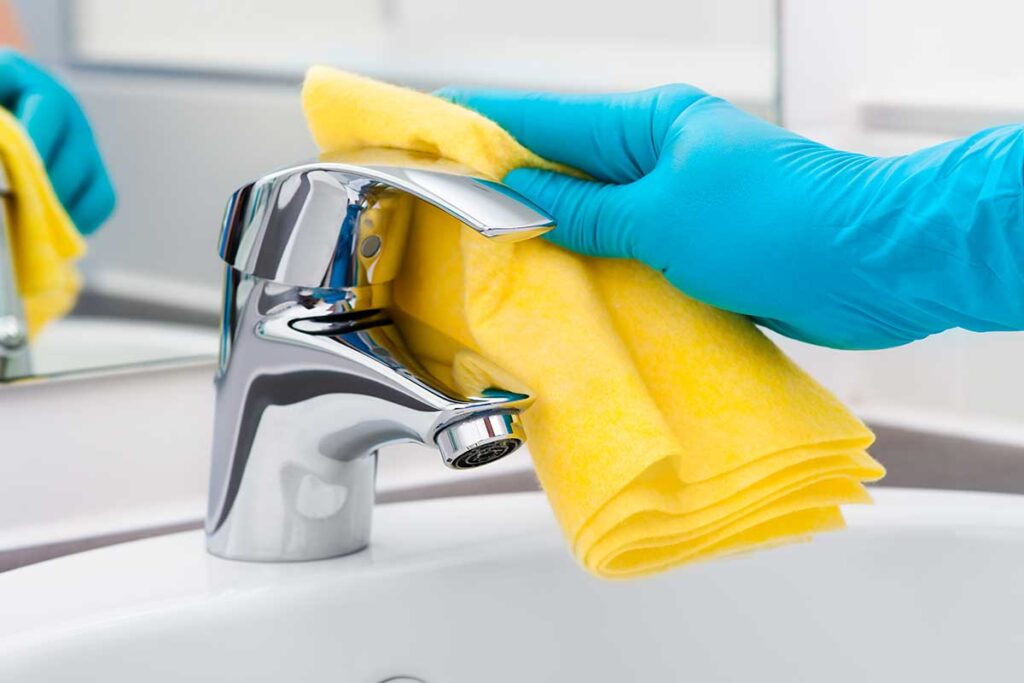
Eco-friendly cleaning products are not automatically safer, stronger, or better for every household. Their value depends on the ingredients, the surface being cleaned, the amount used, and whether the product has been evaluated for real cleaning performance.
For residents of Gillette, WY, household conditions can make product selection especially practical. Dry air, tracked-in dust, winter grime, hard-water residue, and homes with pets or children all affect how cleaning products perform.
What does “eco-friendly” cleaning product actually mean?
“Eco-friendly” is a broad marketing term rather than a single legal or scientific category. It may describe a product with plant-based ingredients, reduced packaging, fewer volatile chemicals, biodegradable components, refillable containers, or a manufacturing process intended to reduce environmental impact.
Those features are not always found together. A product may use renewable ingredients but come in excessive packaging. Another may have concentrated formulas that reduce plastic waste but still contain ingredients that can irritate the skin or lungs.
Useful questions include:
- Does the product list all or most of its ingredients?
- Is the container recyclable or refillable?
- Does the formula require a large amount per use?
- Does it clean effectively without repeated applications?
- Are disposal instructions clear?
- Is the product suitable for the intended surface?
A green label alone does not answer these questions.
What are the main benefits?
The strongest advantages usually involve indoor air, packaging, and responsible use of resources.
Reduced exposure to harsh fumes
Some environmentally oriented products avoid strong solvents, chlorine-based ingredients, or heavy fragrances. This may make them more comfortable for people who are sensitive to odors or who prefer to limit airborne irritants.
However, “natural” does not mean non-irritating. Essential oils, citrus extracts, acids, and plant-based preservatives can still trigger skin, eye, or respiratory reactions.
Less packaging waste
Concentrated cleaners, refill systems, powders, and dissolvable tablets may reduce the amount of plastic transported and discarded. This can be useful in households that clean frequently or use several products each week.
Packaging still matters. A small refill pouch is not automatically environmentally preferable if it is difficult to recycle or must be replaced often. The full life cycle includes manufacturing, transportation, use, and disposal.
Lower impact from wastewater
Some formulas are designed to break down more readily after entering household wastewater. This can reduce the persistence of certain ingredients in the environment, although proper disposal is still necessary for disinfectants, solvents, and other specialized chemicals.
A cleaner should never be poured into a drain simply because its label uses terms such as “green,” “plant-based,” or “biodegradable.”
Fewer unnecessary ingredients
A simpler formula may contain less fragrance, dye, or additive than a conventional product. For households with asthma concerns, allergies, young children, or pets, reducing unnecessary fragrance can be a practical choice.
The benefit comes from the specific formulation, not from the color of the bottle or the presence of a leaf symbol on the label.
What are the disadvantages?
Eco-friendly products also have limitations. The most common problems involve cleaning strength, cost, storage, and misunderstanding.
Some do not disinfect
Soap, vinegar, baking soda, and many plant-based surface cleaners can remove dirt, grease, and some germs. They should not automatically be treated as disinfectants.
A disinfectant must be used according to its label, including the required wet contact time. Wiping a product away immediately may remove visible soil without giving it enough time to inactivate microorganisms.
This distinction matters after illness, around raw meat preparation areas, and on frequently touched surfaces. Routine cleaning is often sufficient for ordinary dust and household soil, while disinfection is a separate step used for specific situations.
Natural acids can damage surfaces
Vinegar and other acidic cleaners may help with some mineral deposits, but repeated use can damage natural stone, grout, certain metals, wood finishes, and other acid-sensitive materials.
Acidic products should not be mixed with chlorine bleach. The combination can release dangerous gas. Mixing cleaning products is unsafe even when both products appear mild individually.
Some products require more effort
A lower-impact cleaner may need more dwell time, agitation, or a second pass. This is not necessarily a defect, but it changes expectations.
Dusty homes, homes with wood-burning heat, and properties exposed to winter salt or mud may need a cleaning routine that includes frequent dry dust removal before wet cleaning. Applying more product does not compensate for skipping that preparation.
The price may be higher

Concentrates, refill systems, and specialty formulas can cost more at the time of purchase. The cost per use may be reasonable, but it should be calculated based on the amount required for each cleaning task.
A product that needs three applications may create more waste and expense than a conventional cleaner that works in one careful application.
“Green” claims can be vague
Terms such as “non-toxic,” “chemical-free,” and “earth-friendly” may provide little useful information. Everything made of matter contains chemicals, including water and plant extracts.
More meaningful information includes clear ingredient disclosure, specific disposal guidance, fragrance details, and recognized environmental or safety standards. Even then, certifications address particular criteria and do not guarantee that a product is ideal for every surface.
Are homemade cleaners a safer option?
Homemade cleaners can be inexpensive and useful for limited tasks, but they are not universally safer or more effective.
Baking soda may help with light abrasion and odor control. Diluted dish soap can remove ordinary grease and soil. A diluted acidic solution may help with certain mineral deposits on compatible surfaces.
Problems arise when homemade mixtures are used without understanding surface chemistry. Avoid using acidic mixtures on natural stone or unprotected metal. Never combine vinegar or other acids with bleach, ammonia, or disinfectants. Avoid storing homemade solutions in unmarked containers, especially in homes with children or pets.
Homemade cleaners also lack standardized preservation. A mixture containing water can develop microbial growth if stored for too long, particularly in a warm area or a container that is not cleaned between uses.
How should households choose products for local conditions?
A practical approach is to choose the least aggressive product that can accomplish the task safely.
In a dry, windy environment, fine dust can settle quickly on floors, shelves, vents, and window tracks. Dry microfiber dusting or vacuuming first helps prevent wet cleaners from turning dust into a smeared film.
During winter, tracked-in grit and deicing residue may require more frequent floor cleaning. Use a product designed for the flooring material, and avoid leaving excess moisture on wood, laminate, or porous surfaces.
Hard-water deposits may appear on fixtures, shower doors, and faucets. An appropriate acidic cleaner can help, but test it in an inconspicuous area and follow the surface manufacturer’s guidance.
For households with pets, avoid assuming that an essential-oil cleaner is automatically pet-safe. Concentrated oils and strong fragrances can be problematic for animals, especially in poorly ventilated spaces. Keep all cleaning products secured, regardless of whether they are labeled natural.
What is the most balanced way to use eco-friendly products?
The most sustainable cleaning routine is usually based on prevention, correct dosing, and product specialization rather than replacing every cleaner with a homemade alternative.
Use mats at entrances, remove shoes when practical, repair leaks, clean spills promptly, and wash reusable cloths properly. Measure concentrates instead of guessing. Use one product for the surface it was designed for rather than relying on a single universal formula.
A small, carefully selected cleaning collection may include:
- A mild general cleaner for routine soil
- A dish detergent for grease
- A surface-appropriate bathroom cleaner
- A properly labeled disinfectant for situations that require it
- Microfiber cloths, a vacuum, and reusable mop materials
Eco-friendly products can be a sensible part of household cleaning, but informed use matters more than a label. The safest choice is one that matches the surface, the soil, the needed level of sanitation, and the household’s sensitivity to fragrance or fumes.